
Glossary
| Term | Definition |
|---|---|
| Brand Identity | The visible elements of a brand (logo, colors, tone, etc.) that distinguish it in consumers’ minds. |
| Conversion Rate Optimization (CRO) | The process of increasing the percentage of users who take a desired action on a website. |
| User Experience (UX) | The overall experience a user has with a website or product. |
| A/B Testing | A method of comparing two versions of a webpage to determine which performs better. |
| Storytelling | Using narrative techniques to communicate brand values and product benefits. |
| Personalization | Tailoring content and experience to individual users based on behavior and data. |
Brand vs. Conversion Optimization: How to Design a Store That Delivers Both
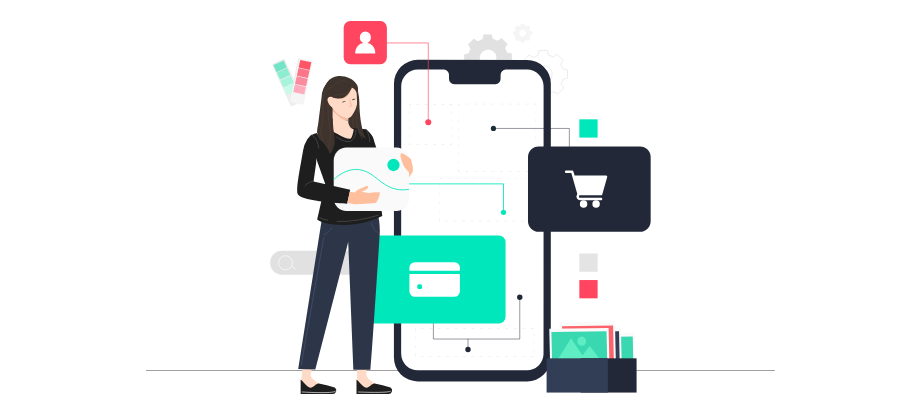
In the high-stakes world of e-commerce, it often feels like you’re forced to choose between building a memorable brand or maximizing conversions. But the best online stores understand that the real win lies in integrating both.
Why This Balance Matters
Brand identity gives your business a voice, while conversion optimization ensures that voice is heard—and acted upon. A store that prioritizes only branding may build loyalty but lose sales due to poor UX. Meanwhile, a conversion-first approach may boost sales in the short term but lack differentiation in a competitive market.
When aligned, branding enhances trust and emotional connection, while CRO ensures usability and clarity. Together, they turn visitors into advocates.
Strategic Integration: 8 Key Areas
1. Homepage Experience
Visual Storytelling: Incorporate video banners or dynamic image carousels that highlight your brand mission. Functional Clarity: Combine storytelling with navigational clarity—use hero CTAs that lead directly to product discovery.
Suggested Image: Comparison of two homepages (brand-heavy vs. conversion-optimized).
2. Product Page Design
Rich Media: Support product descriptions with lifestyle imagery and customer reviews to maintain brand trust. Direct Path to Purchase: Add sticky “Add to Cart” buttons and streamlined variation selectors.
Suggested Table:
| Element | Branding Focus | Conversion Focus |
|---|---|---|
| Imagery | Storytelling + Lifestyle | Zoom/360 views |
| Description | Brand story + product origin | Bullet points + key specs |
3. Navigation Structure
Keep category names true to your brand tone (e.g., “Adventurer Gear” instead of “Outdoor”) while ensuring it’s still intuitive. Keep menus under 7 items and prioritize clarity.
4. Checkout Flow
Conversion Optimization: Minimize form fields and offer guest checkout. Brand Extension: Maintain visual branding through colors, fonts, and confirmation messaging.
5. Story-Driven Content
Embed editorial-style stories into collection pages. Use real customer testimonials to humanize the brand.
Suggested Image: Example of a product description with a story overlay.
6. Mobile Responsiveness
Design for thumb-friendly navigation and fast-loading branded media. Test across multiple devices.
7. Performance and Speed
Fast-loading pages aren’t just good for SEO—they protect the branded experience. Compress branded video content and defer non-essential scripts.
8. Email Integration
Use personalized, branded email flows for cart abandonment and product education.
SEO-Optimized Subtopics to Cover
- Benefits of consistent branding in e-commerce
- How CRO and branding impact long-term CLTV (customer lifetime value)
- The psychology of design: color, spacing, and trust
- Case studies of balance (e.g., Nike, Glossier, Allbirds)
Frequently Asked Questions
1. Can focusing on branding hurt my conversion rate?
Only if usability suffers. Branding should support, not distract from, the buying journey.
2. What’s a good balance between storytelling and functionality?
Lead with emotion but close with clarity. Use narrative to hook interest, then guide with conversion-optimized UX.
3. Should I prioritize branding or conversions for a new store?
Start with conversion clarity, then layer in brand storytelling as traffic and engagement grow.
4. Can strong branding reduce return rates?
Yes. Clear brand messaging and accurate storytelling help set customer expectations, which reduces dissatisfaction.
5. What tools help measure the balance of brand vs. conversion?
Google Analytics, Hotjar, and session replays help monitor engagement. A/B testing helps validate decisions.
6. How do I integrate brand tone into CRO elements like CTAs?
Craft CTAs that reflect brand language while being action-driven. E.g., “Join the movement” vs. “Sign Up.”
Ready to build a store that reflects your values and drives sales?
Whether you’re launching or optimizing, our team at Blossom Ecom helps brands find the sweet spot between emotion and conversion. Let’s connect.
Need help implementing this?
Let us take the hassle of managing your email marketing channel off your hands. Book a strategy call with our team today and see how we can scale your revenue, customer retention, and lifetime value with tailored strategies. Click here to get started.
Curious about how your Klaviyo is performing?
We’ll audit your account for free. Discover hidden opportunities to boost your revenue, and find out what you’re doing right and what could be done better. Click here to claim your free Klaviyo audit.
Want to see how we’ve helped brands just like yours scale?
Check out our case studies and see the impact for yourself. Click here to explore.

Read Our Other Blogs

Cart Abandonment Flow: How to Recover Revenue Without Discounting



How to Build a Welcome Flow That Actually Converts

How to Build an Email Campaign Calendar Without Discounting

VIP Early Access Campaigns: How to Reward Best Customers Without Giving Anything Away

Gmail and Yahoo Bulk Sender Requirements: The Compliance Checklist Ecommerce Brands Can't Ignore

Spam Complaint Rate: Why 0.3% Is the Cliff Edge and How to Stay Far Below It

Klaviyo Custom Events: How to Track the Ecommerce Behaviors Shopify Doesn't Send by Default

Klaviyo vs Postscript: Choosing Your SMS Platform When You're Already on Klaviyo Email

Repeat Purchase Rate: The Diagnostic Framework for Finding Where Your Second Order Is Breaking Down
Apple Mail Privacy Protection: How to Measure Email Engagement When Opens Are Broken

Back-in-Stock Flow: The Highest-Intent Email Sequence Most Brands Never Build

Klaviyo Predictive Analytics: How to Use CLV, Churn Risk, and Expected Next Order Date to Drive Retention

Email Holdout Testing: How to Prove Your Retention Channel Is Actually Incremental

Klaviyo vs Omnisend: Which ESP Is Right for Your DTC Brand in 2026

Dedicated IP vs Shared IP for Ecommerce Email: When to Switch and When It Backfires

Quiz Funnels for Ecommerce: How to Grow Your List and Segment Subscribers Without Discounts

Klaviyo + Shopify Integration: The Complete Data Sync and Event Tracking Setup Guide

How to Repair Sender Reputation: The Recovery Playbook When Your Emails Land in Spam

Abandoned Cart Flow Strategy: Why Your Recovery Sequence Stops Working After Email One

Ecommerce Email Benchmarks: What Good Actually Looks Like for DTC Brands in 2026

Retention-Focused A/B Testing: What to Test in Email When You've Already Optimized the Basics

Klaviyo Segments vs Lists: How to Structure Your Audience Architecture for Scalable Retention

Email Deliverability for Ecommerce: The Complete Guide to Landing in the Inbox

Klaviyo List Hygiene: How to Clean Your Email List Without Killing Your Revenue

Sunset Flow: How to Win Back Unengaged Subscribers Before You Suppress Them

Welcome Flow Optimization: How to Turn New Subscribers Into First-Time Buyers Faster

Popup Strategy for Ecommerce: How to Grow Your List Without Training Customers to Wait for Discounts

Email Offer Architecture: How to Structure Promotions That Protect Margin and Still Convert

Klaviyo vs Attentive: Which Platform Is Right for Your DTC Stack in 2026

Migrating to Klaviyo: The Step-by-Step Playbook for Switching ESPs Without Losing Revenue

Browse Abandonment Flow: The Underbuilt Sequence Quietly Leaking Revenue

Post-Purchase SMS Flow: How to Use Text Messages to Build Loyalty After the First Order

Retention Marketing Dashboard: The Exact Metrics and Reports You Should Be Reviewing Weekly

Agency vs In-House Email Marketing: What Actually Moves the Needle for DTC Brands

SMS Marketing Strategy for Ecommerce: The Complete Guide

How to Set Up Klaviyo Flows: Complete Setup Guide

A/B Testing for Email: What to Test, How to Measure, When to Ship

Email Marketing KPIs: The Only Metrics That Matter for DTC

Email Revenue Attribution: What Klaviyo Gets Right and Wrong

Popup Strategy for Ecommerce: 6 Types That Actually Convert

RFM Analysis for Ecommerce: Segment Your Customers by Value

Email Segmentation for Ecommerce: The 5-Layer Model for DTC Brands

Welcome Offer Optimization: Converting Subscribers Without Deep Discounts

Email Warmup Strategy: How to Build Sender Reputation From Scratch

Email List Hygiene: How to Clean Your List Without Killing Revenue

SPF, DKIM, and DMARC: Email Authentication Explained for DTC Brands

The Complete Retention Marketing Strategy Guide (2026)

Winback Flow: How to Re-Engage Lapsed Customers Before You Lose Them

How to Audit Your Email Flows (The 125-Point Checklist)

Post-Purchase Email Flow: The Architecture That Drives Repeat Buyers

Sunset Flow: When and How to Remove Unengaged Subscribers
Cart Abandonment Flow: How to Recover Revenue Without Discounting
How to Build a Welcome Flow That Actually Converts
How to Build an Email Campaign Calendar Without Discounting

Browse Abandonment Flow: Converting Window Shoppers Into Buyers

The Abandoned Cart Email Strategy That Actually Recovers Revenue

How to Build a Welcome Flow That Actually Converts

Personalizing Push Notifications for Better Retention Outcomes
How to Craft Email Newsletters That Build Real Brand Loyalty
Top 3 Best eCommerce Content Management Systems of 2025
Email Marketing vs. Social Media: Which One Should Your Brand Focus On?

Attract More Customers: Which Videos to Use in Your Email Marketing and Why
8 eCommerce Customer Service Mistakes You NEED to Stop Making (Like, Yesterday)
Creating The Perfect E-Commerce Tech Stack

Types of Content eCommerce Brands Need in Their Marketing Mix
Ecommerce Email Mistakes: Blossom Ecom Article on How to Stop Sending Bad Emails & Start Making More Money
Boost Your Bottom Line: The Ultimate Guide to Integrating Website and Email Strategies for Your eCommerce Business
6 Powerful Ecommerce Loyalty Program Examples (and How to Build Your Own)
Loyalty-First Guide to Customer Reactivation Email Campaigns
Using Email Marketing to Supercharge Your Loyalty Program
13 Scary E-Commerce Mistakes (and How to Avoid Them)
How to Reduce Your E-Commerce Bounce Rate and Boost Engagement
Combining Content and Commerce for E-Commerce Success
Email Marketing Tips + Trends

E-Commerce Returns Analysis & Crafting a Profitable Returns Policy

9 Pro Tips for A/B Testing Emails with HubSpot
AI and Email Marketing: The Future is Here
How to Skyrocket Your Email Open Rates and Click-Through Rates
Email Isn’t Dead: 4 Reasons It’s Still a Digital Marketing Powerhouse

Email Marketing Series – #3: Building a Strong Email List
Email Marketing Series – #4: 9 Tips for Creating High-Impact Email CTAs

Email Marketing Series – #2: How to Craft Attention-Grabbing Subject Lines
Email Marketing vs. Social Media Marketing — Which Should I Use?
Email Marketing Series – #1: Crafting an Effective Email Marketing Strategy
Email Open Rate: A Practical Guide
3 Effective Strategies to Make Email Your Marketing Heavyweight Champion

How to Attract New Leads with Video in Your Email Marketing
How to Determine the Profitability of Your eCommerce Website
Multi-Channel eCommerce: The Key to Growing Your Online Business
Understanding eCommerce Conversion Rate & Optimization
How to Optimize Your eCommerce Website for More Conversions
Top 3 eCommerce and Digital Marketing Trends for 2025

Optimizing Your Email Marketing Strategy: A/B Testing Explained
35 Eye-Opening Email Marketing Stats You Need to Know
7 Email Marketing Tips to Boost Your SEO
11 Common Email Marketing Mistakes That Are Tanking Your Conversions (And How to Fix Them)
Strategic SEO Tips for Email Marketing: Boost Engagement and ROI
How to Measure and Increase Email Marketing ROI (Plus Templates That Convert!)

Do Lifecycle Email Campaigns Really Drive Conversions? Here’s What We Found
How to Use Remailing in Your Email Marketing Strategy

B2B Email Marketing: Building Relationships and Converting Leads
Core Email Marketing Flows: 2025 Essentials for Shopify

Top 5 Revenue-Generating Email Marketing Journeys (Straight from a Klaviyo Partner Agency)


Not Sure Where to Start?
Let's find the biggest retention opportunities in your business. Get a free Klaviyo audit or retention consultation.