

Glossary of Key Terms
| Term | Definition |
|---|---|
| Return Rate | Percentage of total orders returned by customers. |
| CLTV (Customer Lifetime Value) | Total revenue a business can expect from a single customer account. |
| Bracketing | When customers purchase multiple versions of a product with intent to return some. |
| Reverse Logistics | The process of handling product returns, including transportation and restocking. |
| AR (Augmented Reality) | Technology overlaying digital information (e.g., product try-ons) in a real-world view. |
| Post-Purchase Workflow | Automated customer communication after a purchase, often involving returns or engagement triggers. |
Introduction
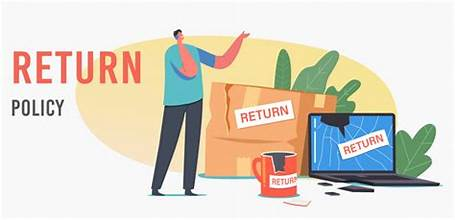
E-commerce returns are unavoidable, but how businesses handle them determines profitability, retention, and brand trust. This guide explores how to reduce the financial burden of returns while enhancing customer experience.
Understanding the Scope of E-Commerce Returns
- Over 30% of online purchases are returned, compared to 8-10% in physical stores.
- By 2023, return volumes exceeded $816 billion in the U.S. alone.
- Merchants lose $10.40 per $100 returned, factoring in fraud, logistics, and resale devaluation.
Suggested Table: Annual Return Loss Breakdown
| Loss Type | Percentage of Total Return Loss | Example Cost per $100 |
|---|---|---|
| Shipping & Restocking | 45% | $4.68 |
| Damaged Goods | 22% | $2.29 |
| Fraudulent Returns | 15% | $1.56 |
| Inventory Devaluation | 18% | $1.87 |
Why Consumers Return Products
1. Damaged Goods
- Can cost up to 17x the original shipping rate.
- Solution: Improve packaging durability, add “fragile” handling tags, and insure high-value shipments.
2. Inaccurate Expectations
- Caused by unclear descriptions or lack of visual clarity.
- Solution: High-res images, videos, 360-degree product views, detailed specs.
3. Bracketing (Intentional Overordering)
- 63% of shoppers bracket by default.
- Solution: Virtual try-on tools, size/fit guides, AI-driven recommendations.
4. Gift Returns
- Peak during Q4; 77% of gifts are returned in some verticals.
- Solution: Branded gift receipts, extended holiday return policies.
Profitable Returns Policies
1. Refund Without Return
- Offer refunds while letting customers keep low-cost or non-resellable items.
- Use rules to avoid abuse (e.g., max 2/year).
2. Encourage Resale
- Launch peer-to-peer marketplaces (Treet, Recurate).
- Boosts sustainability and customer loyalty.
3. Store Credit Incentives
- Offer 10-20% more value when choosing store credit.
- Keeps revenue in-house, increases CLTV.
4. Extended Return Windows
- 45-90 day policies reduce customer anxiety.
- Prevents impulse returns by allowing time to reconsider.
5. Personalized Post-Purchase Automation
- Tools: Narvar, Loop Returns, Returnly.
- Trigger discounts, how-to guides, or upsells post-return.
Optimizing the Return Process
1. Provide Flexible Return Methods
- Offer in-store, mail, or drop-off returns.
- Promote foot traffic through physical return points.
2. Improve Product Discovery
- AR try-on tools (especially for apparel, eyewear, furniture).
- Data-driven fit prediction using past customer behavior.
3. Enhance Transparency
- Use real customer reviews, images, and Q&A.
- Return reason filtering on PDPs to prevent common issues.
Suggested Table: Return Reasons vs. Prevention Tools
| Return Reason | Prevention Tool |
|---|---|
| Wrong Size | Fit quiz, true-fit integration |
| Didn’t Like Appearance | Video, lifestyle images |
| Found Better Price | Price-match guarantee, upsell credit |
| Late Delivery | SMS tracking, estimated delivery banner |
Using Data to Reduce Returns
- Identify Repeat Returners: Offer tailored size/fit education or limit bracketing.
- Product-Level Insights: Flag SKUs with high return rates.
- Segment-Based Strategies: Adjust policy leniency for VIPs vs. new customers.
The Future of Returns: Automation + Retention
- Predictive Modeling: AI forecasts return probability before fulfillment.
- Integrated Chat: Real-time return prevention via live customer interaction.
- Eco-Returns: Offer carbon offsets, local donations, or item rerouting instead of physical returns.
FAQs: E-Commerce Returns
1. What is a good return rate for e-commerce?
- Around 10% to 15% depending on the industry. Apparel typically sees the highest rates.
2. Should I charge for returns?
- Not initially. Instead, incentivize store credit. Add fees only for chronic returners.
3. What’s the best return window?
- 30 to 60 days is ideal. Extended windows increase purchase confidence.
4. Do returns hurt profitability?
- Yes, if unmanaged. But with the right strategies (e.g., store credit), returns can boost loyalty and repeat purchases.
5. How do I reduce return fraud?
- Use RMA systems, verify serial numbers, flag suspicious patterns in your CRM.
6. What tools help automate returns?
- Narvar, Loop, Returnly, Happy Returns, and AfterShip Returns Center are top-rated.
Final Thoughts
Returns don’t have to be a loss center. With smart policies, clear communication, and the right tech stack, they can be a loyalty builder and a profit driver. Blossom Ecom helps brands turn every return into a retention opportunity.
Contact us to build a returns process that actually works for your bottom line.
Need help implementing this?
Let us take the hassle of managing your email marketing channel off your hands. Book a strategy call with our team today and see how we can scale your revenue, customer retention, and lifetime value with tailored strategies. Click here to get started.
Curious about how your Klaviyo is performing?
We’ll audit your account for free. Discover hidden opportunities to boost your revenue, and find out what you’re doing right and what could be done better. Click here to claim your free Klaviyo audit.
Want to see how we’ve helped brands just like yours scale?
Check out our case studies and see the impact for yourself. Click here to explore.

Read Our Other Blogs

Popup Strategy for Ecommerce: 6 Types That Actually Convert



RFM Analysis for Ecommerce: Segment Your Customers by Value

Email Segmentation for Ecommerce: The 5-Layer Model for DTC Brands

Klaviyo Custom Events: How to Track the Ecommerce Behaviors Shopify Doesn't Send by Default

Klaviyo vs Postscript: Choosing Your SMS Platform When You're Already on Klaviyo Email

Repeat Purchase Rate: The Diagnostic Framework for Finding Where Your Second Order Is Breaking Down
Apple Mail Privacy Protection: How to Measure Email Engagement When Opens Are Broken

Back-in-Stock Flow: The Highest-Intent Email Sequence Most Brands Never Build

Klaviyo Predictive Analytics: How to Use CLV, Churn Risk, and Expected Next Order Date to Drive Retention

Email Holdout Testing: How to Prove Your Retention Channel Is Actually Incremental

Klaviyo vs Omnisend: Which ESP Is Right for Your DTC Brand in 2026

Dedicated IP vs Shared IP for Ecommerce Email: When to Switch and When It Backfires

Quiz Funnels for Ecommerce: How to Grow Your List and Segment Subscribers Without Discounts

Klaviyo + Shopify Integration: The Complete Data Sync and Event Tracking Setup Guide

How to Repair Sender Reputation: The Recovery Playbook When Your Emails Land in Spam

Abandoned Cart Flow Strategy: Why Your Recovery Sequence Stops Working After Email One

Ecommerce Email Benchmarks: What Good Actually Looks Like for DTC Brands in 2026

Retention-Focused A/B Testing: What to Test in Email When You've Already Optimized the Basics

Klaviyo Segments vs Lists: How to Structure Your Audience Architecture for Scalable Retention

Email Deliverability for Ecommerce: The Complete Guide to Landing in the Inbox

Klaviyo List Hygiene: How to Clean Your Email List Without Killing Your Revenue

Sunset Flow: How to Win Back Unengaged Subscribers Before You Suppress Them

Welcome Flow Optimization: How to Turn New Subscribers Into First-Time Buyers Faster

Popup Strategy for Ecommerce: How to Grow Your List Without Training Customers to Wait for Discounts

Email Offer Architecture: How to Structure Promotions That Protect Margin and Still Convert

Klaviyo vs Attentive: Which Platform Is Right for Your DTC Stack in 2026

Migrating to Klaviyo: The Step-by-Step Playbook for Switching ESPs Without Losing Revenue

Browse Abandonment Flow: The Underbuilt Sequence Quietly Leaking Revenue

Post-Purchase SMS Flow: How to Use Text Messages to Build Loyalty After the First Order

Retention Marketing Dashboard: The Exact Metrics and Reports You Should Be Reviewing Weekly

Agency vs In-House Email Marketing: What Actually Moves the Needle for DTC Brands

SMS Marketing Strategy for Ecommerce: The Complete Guide

How to Set Up Klaviyo Flows: Complete Setup Guide

A/B Testing for Email: What to Test, How to Measure, When to Ship

Email Marketing KPIs: The Only Metrics That Matter for DTC

Email Revenue Attribution: What Klaviyo Gets Right and Wrong
Popup Strategy for Ecommerce: 6 Types That Actually Convert
RFM Analysis for Ecommerce: Segment Your Customers by Value
Email Segmentation for Ecommerce: The 5-Layer Model for DTC Brands

Welcome Offer Optimization: Converting Subscribers Without Deep Discounts

Email Warmup Strategy: How to Build Sender Reputation From Scratch

Email List Hygiene: How to Clean Your List Without Killing Revenue

SPF, DKIM, and DMARC: Email Authentication Explained for DTC Brands

The Complete Retention Marketing Strategy Guide (2026)

Winback Flow: How to Re-Engage Lapsed Customers Before You Lose Them

How to Audit Your Email Flows (The 125-Point Checklist)

Post-Purchase Email Flow: The Architecture That Drives Repeat Buyers

Sunset Flow: When and How to Remove Unengaged Subscribers

Cart Abandonment Flow: How to Recover Revenue Without Discounting

How to Build a Welcome Flow That Actually Converts

How to Build an Email Campaign Calendar Without Discounting

Browse Abandonment Flow: Converting Window Shoppers Into Buyers

The Abandoned Cart Email Strategy That Actually Recovers Revenue

How to Build a Welcome Flow That Actually Converts

Personalizing Push Notifications for Better Retention Outcomes
How to Craft Email Newsletters That Build Real Brand Loyalty
Top 3 Best eCommerce Content Management Systems of 2025
Email Marketing vs. Social Media: Which One Should Your Brand Focus On?

Attract More Customers: Which Videos to Use in Your Email Marketing and Why
8 eCommerce Customer Service Mistakes You NEED to Stop Making (Like, Yesterday)
Creating The Perfect E-Commerce Tech Stack

Types of Content eCommerce Brands Need in Their Marketing Mix
Ecommerce Email Mistakes: Blossom Ecom Article on How to Stop Sending Bad Emails & Start Making More Money
Boost Your Bottom Line: The Ultimate Guide to Integrating Website and Email Strategies for Your eCommerce Business
6 Powerful Ecommerce Loyalty Program Examples (and How to Build Your Own)
Loyalty-First Guide to Customer Reactivation Email Campaigns
Using Email Marketing to Supercharge Your Loyalty Program
Unpacking Brand and Conversion in E-Commerce Design
13 Scary E-Commerce Mistakes (and How to Avoid Them)
How to Reduce Your E-Commerce Bounce Rate and Boost Engagement
Combining Content and Commerce for E-Commerce Success
Email Marketing Tips + Trends

9 Pro Tips for A/B Testing Emails with HubSpot
AI and Email Marketing: The Future is Here
How to Skyrocket Your Email Open Rates and Click-Through Rates
Email Isn’t Dead: 4 Reasons It’s Still a Digital Marketing Powerhouse

Email Marketing Series – #3: Building a Strong Email List
Email Marketing Series – #4: 9 Tips for Creating High-Impact Email CTAs

Email Marketing Series – #2: How to Craft Attention-Grabbing Subject Lines
Email Marketing vs. Social Media Marketing — Which Should I Use?
Email Marketing Series – #1: Crafting an Effective Email Marketing Strategy
Email Open Rate: A Practical Guide
3 Effective Strategies to Make Email Your Marketing Heavyweight Champion

How to Attract New Leads with Video in Your Email Marketing
How to Determine the Profitability of Your eCommerce Website
Multi-Channel eCommerce: The Key to Growing Your Online Business
Understanding eCommerce Conversion Rate & Optimization
How to Optimize Your eCommerce Website for More Conversions
Top 3 eCommerce and Digital Marketing Trends for 2025

Optimizing Your Email Marketing Strategy: A/B Testing Explained
35 Eye-Opening Email Marketing Stats You Need to Know
7 Email Marketing Tips to Boost Your SEO
11 Common Email Marketing Mistakes That Are Tanking Your Conversions (And How to Fix Them)
Strategic SEO Tips for Email Marketing: Boost Engagement and ROI
How to Measure and Increase Email Marketing ROI (Plus Templates That Convert!)

Do Lifecycle Email Campaigns Really Drive Conversions? Here’s What We Found
How to Use Remailing in Your Email Marketing Strategy

B2B Email Marketing: Building Relationships and Converting Leads
Core Email Marketing Flows: 2025 Essentials for Shopify

Top 5 Revenue-Generating Email Marketing Journeys (Straight from a Klaviyo Partner Agency)
The Long and the Short of It: Getting to “Yes” with Email Marketing
10 Email Marketing KPIs Every Marketer Needs to Know
3 Steps to Spring Clean Your Email Marketing Platform


Not Sure Where to Start?
Let's find the biggest retention opportunities in your business. Get a free Klaviyo audit or retention consultation.